Personal Life
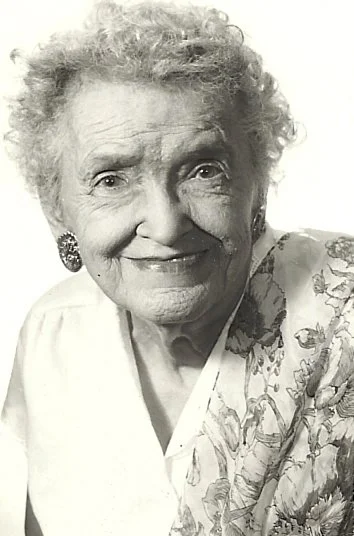
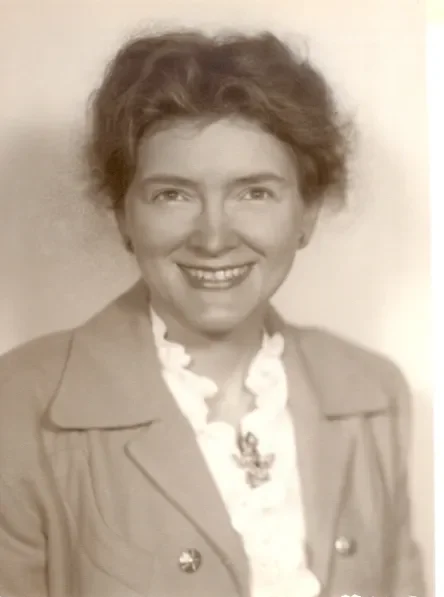
Born Evangeline Wilna Ensley in Indianapolis, Indiana to Marion Edmund Ensley and Wilna Eunice Ensley née Coyner, Walton came from a lively, educated, Quaker family.
She suffered chronic respiratory illnesses as a child and was privately and self-taught at home. Her parents separated and divorced in 1924. Living with her mother and her grandmother and witnessing her parents’ marital difficulties roused a natural feminism in Walton which appears throughout her writings.
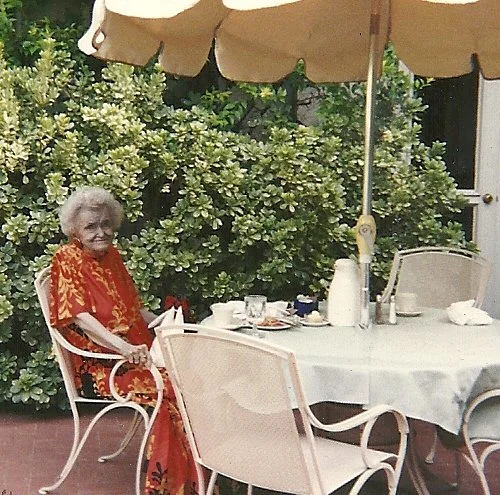
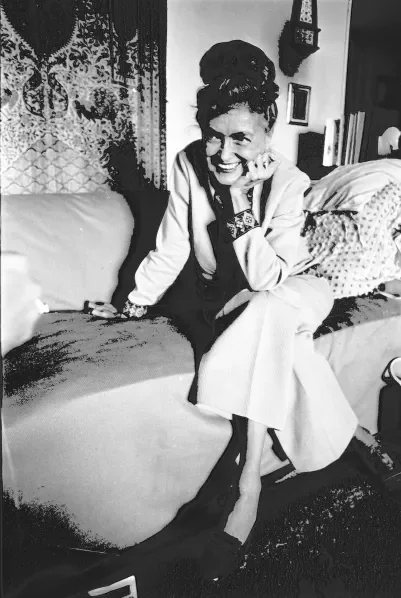
Treated as a child with silver nitrate tincture for frequent bronchitis and severe sinus infections, Walton, who had extremely fair skin, absorbed the pigment of the tincture causing her skin to turn gray and darken as she aged. When she became well known in the fantasy world in the 1970s, her blue-gray skin made her appearance exotic, much like a benevolent deity from Etruscan tomb frescos.
In 1946 after the death of her grandmother, Walton and her mother moved to Tucson, Arizona. Her mother died in 1971 but not before she saw the dawn of public recognition for Walton and her works.
In 1991, Walton underwent surgery for a brain tumor that proved benign. However, her health continued to decline and she died in her home in Tucson on March 11, 1996.
Influences
Evangeline Walton came from a family who have always fought for tolerance and freedom. Her Ensley grandfather fought in the American Civil War and her maternal Quaker ancestors participated in the Underground Railway which helped freedom seekers from the South reach Canada. Walton grew up in a lively, large Quaker, farming family that prized education, creativity and spirituality with personalities and proclivities that shaped her intellectually. In her early childhood, she developed a passion for mediaeval history and witchcraft, and, although Dark Runs the Road was actually written in the Arizona desert, the idea first came to her when as a child she read of the Norse King Harald Fairhair’s love for the Lapp witch.
As a child, Walton enjoyed the works of L. Frank Baum, James Stephens, Lord Dunsany and Algernon Blackwood, which she would later cite as influences on her fiction. Walton and her mother traveled often to New York City, Chicago and San Francisco for opera, especially for Richard Wagner’s Der Ring des Nibelungen; opera was a passion her entire life. Later in life, Walton traveled to Greece as research for her reworking of her Theseus trilogy.
Walton corresponded with the Welsh novelist, essayist and poet John Cowper Powys for many years. Most of Walton’s papers from 1936 - 1984 — including biographic material, manuscripts and the correspondence with Powys — are archived in Special Collections at the Library, University of Arizona in Tucson. She was first cousin to Clifford C. Furnas (1900–1969), author of The Next Hundred Years, Assistant Secretary of War in the Eisenhower administration, co-founder of NASA and chancellor of SUNY Buffalo; and to Clifton J. Furness (1898–1946), professor of music and editor of Walt Whitman’s Leaves of Grass (Columbia University Press, 1939), author of The Genteel Female: An Anthology (1931). Furness premiered several of Charles Ives’s piano works. As a performer and scholar, Furness encouraged, inspired and mentored his young cousin Evangeline.
Pen name
Walton herself wrote about her chosen pen name, “I use the name Walton professionally, partly because I originally hoped to build up different lines of work under different names, partly because Walton is an old family name and appears on the Declaration of Independence. Not that I can trace any blood connection between my Quaker Waltons and the Declaration signer. They came from Virginia, and were supposed to have had a Native American man somewhere up the family tree. He may be the reason why both records and tradition trail off into vagueness. But when I was a child, old folk remembered the Waltons as very tall, very dark people, too full of restless energy to fit quietly into their peaceful little Quaker community: a vivid, turbulent note in it.”
“My own method has always been to try to put flesh and blood
on the bones of the original myth.” — Evangeline Walton
Early Work and Success
Most of Walton’s published and unpublished works were originally written in the 1920s through the early 1950s. She wrote her best-known work, the Mabinogion tetralogy, during the late 1930s and early 1940s, and her Theseus trilogy during the late 1940s.
Walton’s Witch House was written in the mid- to late-1930s and published in 1945 as the first volume in “The Library of Arkham House Novels of Fantasy and Terror”.
In 1956, she published The Cross and the Sword, a novel set during the Danish conquest of England and the destruction of its Celtic culture. It was published in the U.K. as Son of Darkness. Walton, however, titled the novel Dark Runs the Road, apropos the storytelling.
The Welsh Mabinogi Novels
Walton is best known for her four novels retelling the four branches of the Welsh Mabinogi.
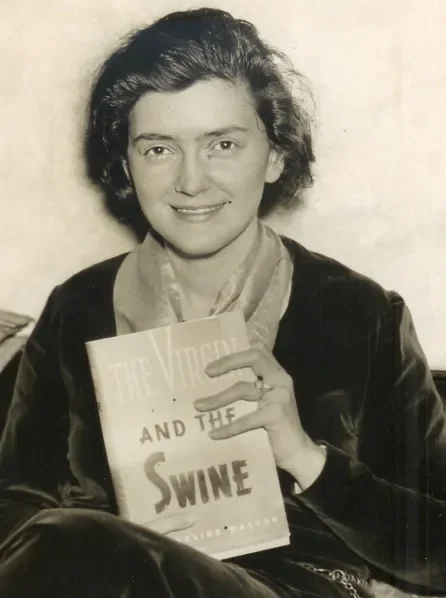
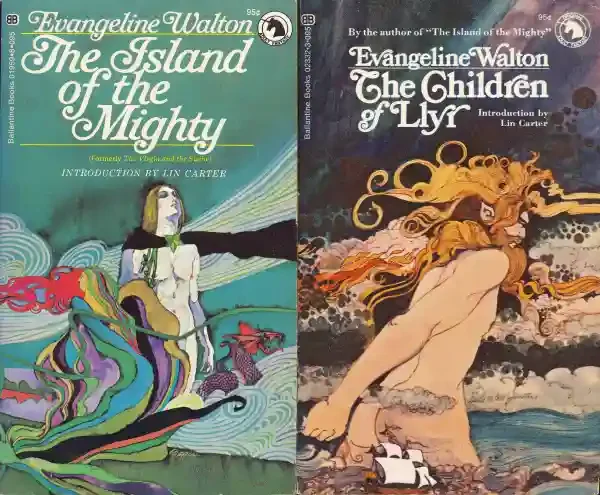
She published the first volume in 1936 under the publisher’s title The Virgin and the Swine. Although receiving warm praise from John Cowper Powys, the book sold poorly, and none of the other novels in the series reached print at the time. Rediscovered by Ballantine’s Adult Fantasy series in 1970, it was reissued as The Island of the Mighty.
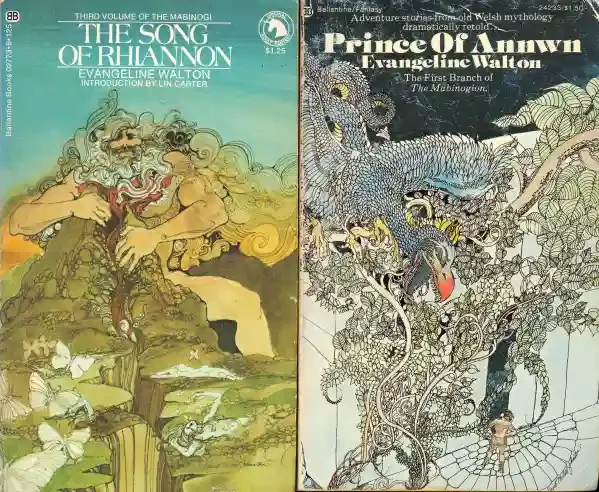
Once success found her after 1970, she reworked many of her manuscripts for publication over the next twenty years. The Children of Llyr followed in 1971, The Song of Rhiannon in 1972 and Prince of Annwn in 1974. All four novels were published in a single volume as The Mabinogion Tetralogy in 2002 by Overlook Press. The four novels have been translated into Japanese and several European languages.
Abrams will release a 90th anniversary deluxe edition and audiobook of the Mabinogion Tetralogy with the text restored to Walton’s original manuscripts in September 2026.
Awards
Mythopoeic Fantasy Award for Adult Literature, Best Novel nominee, 1972: The Children of Llyr.
Mythopoeic Fantasy Award for Adult Literature, Best Novel winner, 1973: The Song of Rhiannon.
Mythopoeic Fantasy Award for Adult Literature, Best Novel nominee, 1975: Prince of Annwn.
Locus Award, 1975: Prince of Annwn, 20th place.
Fritz Leiber Fantasy Award, “Gray Mouser Award”, Science Fiction/Fantasy’s Fantasy Faire, 1979.
World Fantasy Convention, Convention Award, 1985.
Locus Award, 1984: The Sword is Forged, 26th place.
World Fantasy Convention, World Fantasy Award for Life Achievement, 1989.
Later novels, short stories and plans for publishing unpublished work
In 1982, Walton published the first of her Theseus trilogy, The Sword is Forged. Walton had completed the trilogy in the late 1940s but the publication by Mary Renault of her Theseus novels in 1958 and 1962 kept Walton from pursuing publication. The remaining two novels in the trilogy are, as yet, unpublished.
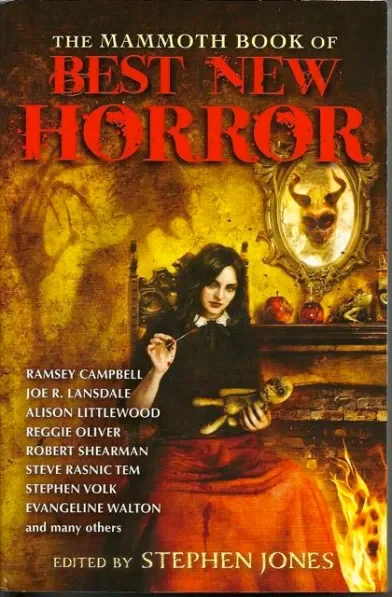
Walton wrote a collection of short stories, some of which were published posthumously and appear in various horror and fantasy collections. The best-known of these are “Above Ker-Is” (1980), “The Judgement of St. Yves” (1981) “The Returned” (2025), “The Mistress of Kaer-Mor” (1980) and “They That Have Wings” (2011).
Centipede Press issued a new limited edition of Witch House in December 2013. It is a Gothic horror story with ends as a romance set in New England. In the volume appear a incomplete short story Deb Morgan’s Tale and two short stories, At the End of the Corridor and The Returned.
Walton also wrote many works that remain unpublished, including an anti-fascist science fiction story, a children’s story, poems, a verse play and the remaining two volumes of her Theseus trilogy.
Walton’s heir to her literary works Debra L Hammond and fantasy scholar Douglas A. Anderson have restore all her writings to her original manuscripts. Soon these treasures — both previously published and yet unpublished works — will be published and available in the next few years.
Questions about Walton and her writings?
Send us a note and we will get back to you shortly!